

[WBN 03_Part 1]: "Two-Component Electricity Pricing": Start with Power Quality to Sustainably Control Pmax

In the previous two webinars, NSN worked with businesses to understand the impact of the Two-Component Electricity Pricing mechanism, identify the causes of high peak demand (Pmax), and explore operational solutions that can be immediately applied to control peak demand. However, operational optimization is not always sufficient to achieve the expected Pmax level. In such cases, businesses need to move towards longer-term investment solutions.
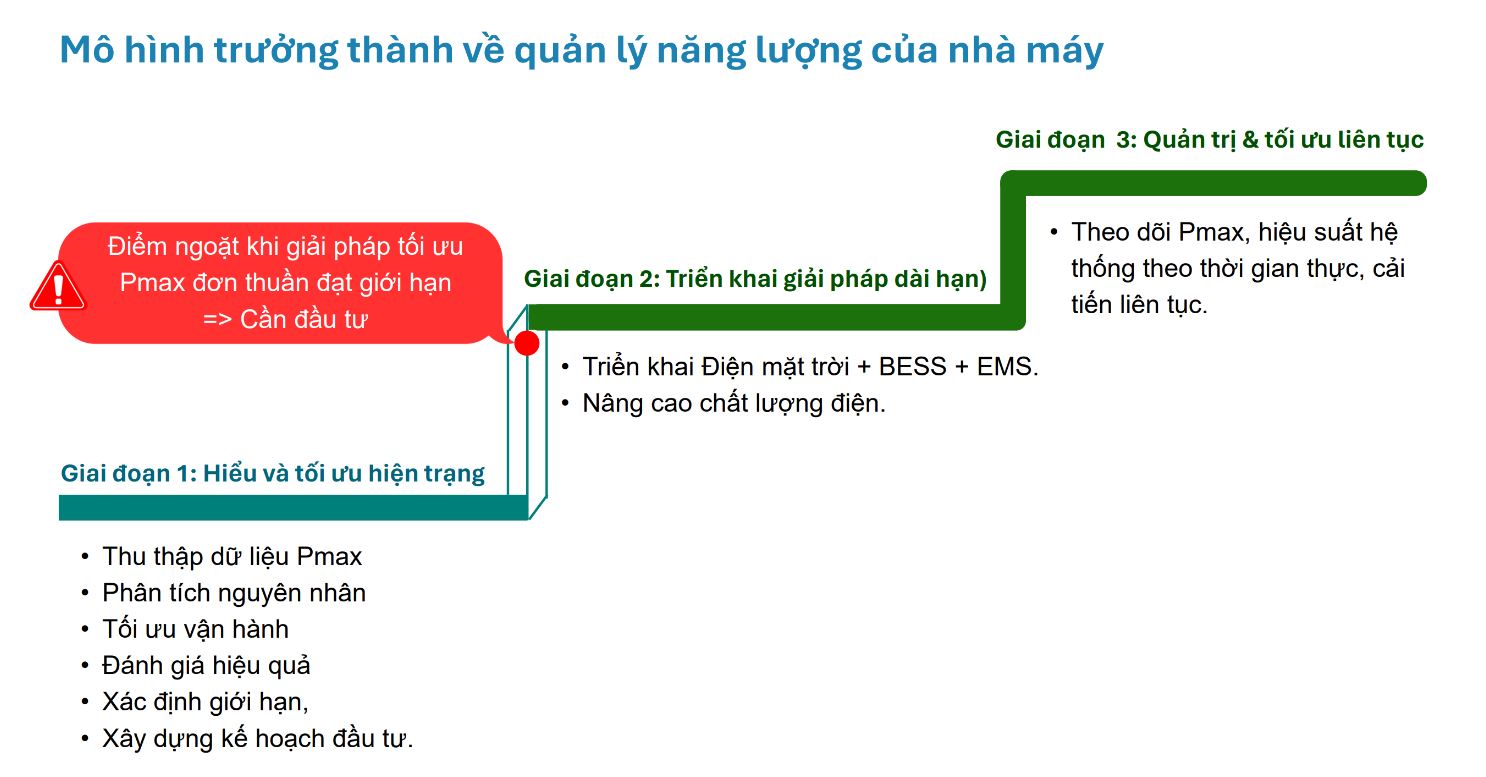
Power quality is the foundation of all energy solutions
Poor power quality can reduce the effectiveness of energy solutions implemented afterward. For example, variable frequency drives (VFDs) can help optimize performance and save energy, but they can also generate harmonic distortion, affecting the stability of the electrical system.
Therefore, investing in energy-saving solutions on an unstable electrical system is like building a house on an unstable foundation. The solution can still be implemented, but the investment effectiveness and operational stability may not meet expectations.
NSN and its technical partner approach this challenge through a three-layer model for energy efficiency:
- Foundation layer: Power Quality – voltage sag protection, harmonic filtering, and power supply stabilization.
- Efficiency optimization layer: VFDs, BESS, Solar, and load optimization.
- Smart management layer: AI Factory, MES, EMS, and Digital Twin.
The key point is that the upper layers can only deliver their full potential when the power quality foundation is sufficiently stable.
Improving power quality does not start with installing equipment
A common mistake among technical personnel when encountering an abnormal phenomenon is to immediately look for equipment to address it. In practice, businesses need to identify the root cause before deciding on an investment, following the U-I-S-P process, which consists of four steps:
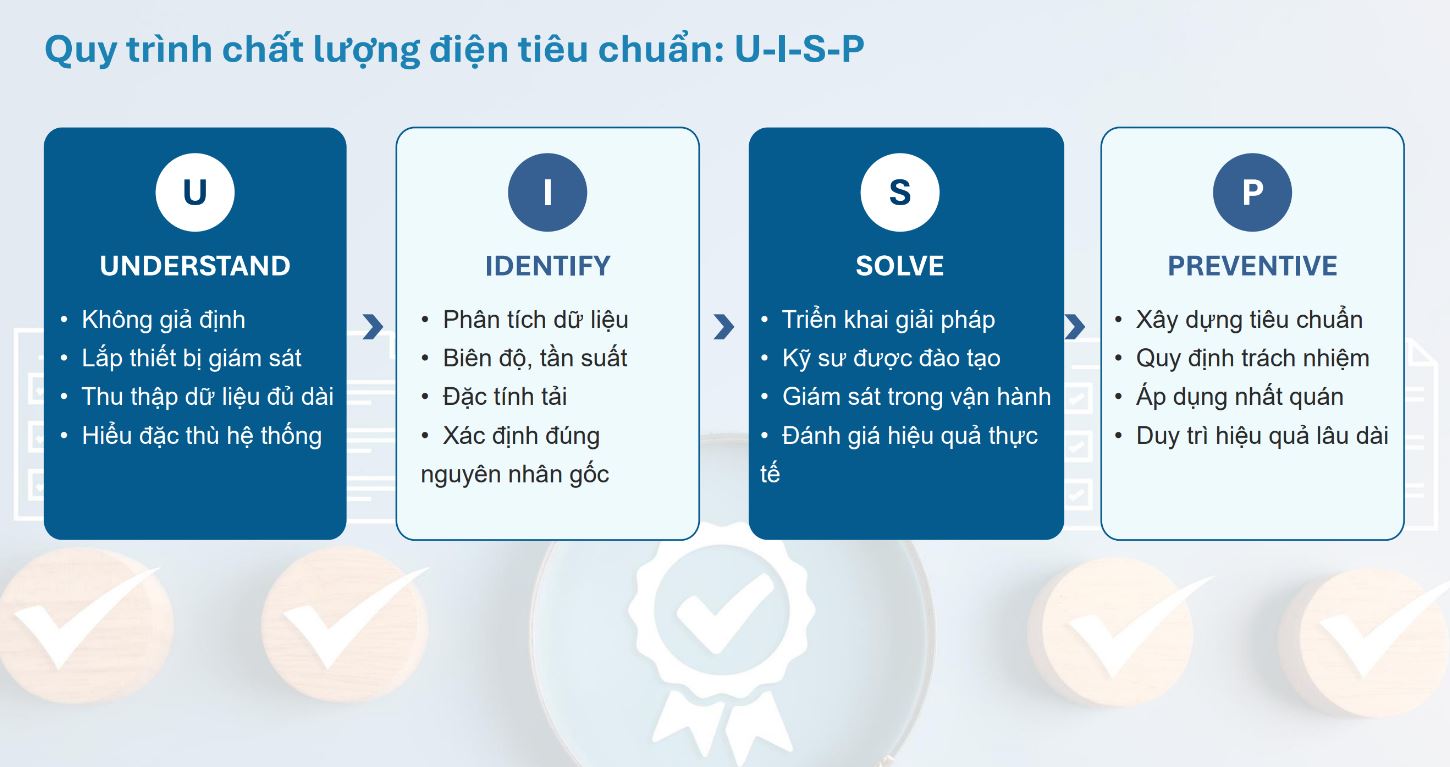
Understand: Do not assume the cause; collect data over a sufficient period to understand the characteristics of the system.
Identify: Analyze the magnitude, frequency, and load characteristics to determine the root cause.
Solve: Select and implement the appropriate solution while monitoring its effectiveness during operation.
Preventive: Establish operating standards and responsibilities to maintain long-term effectiveness.
During the assessment process, signs such as overheated conductors or capacitors, transformer overheating, motor vibration, frequent protective device tripping, or inaccurate measurement systems can provide important data to help identify the source of the problem.
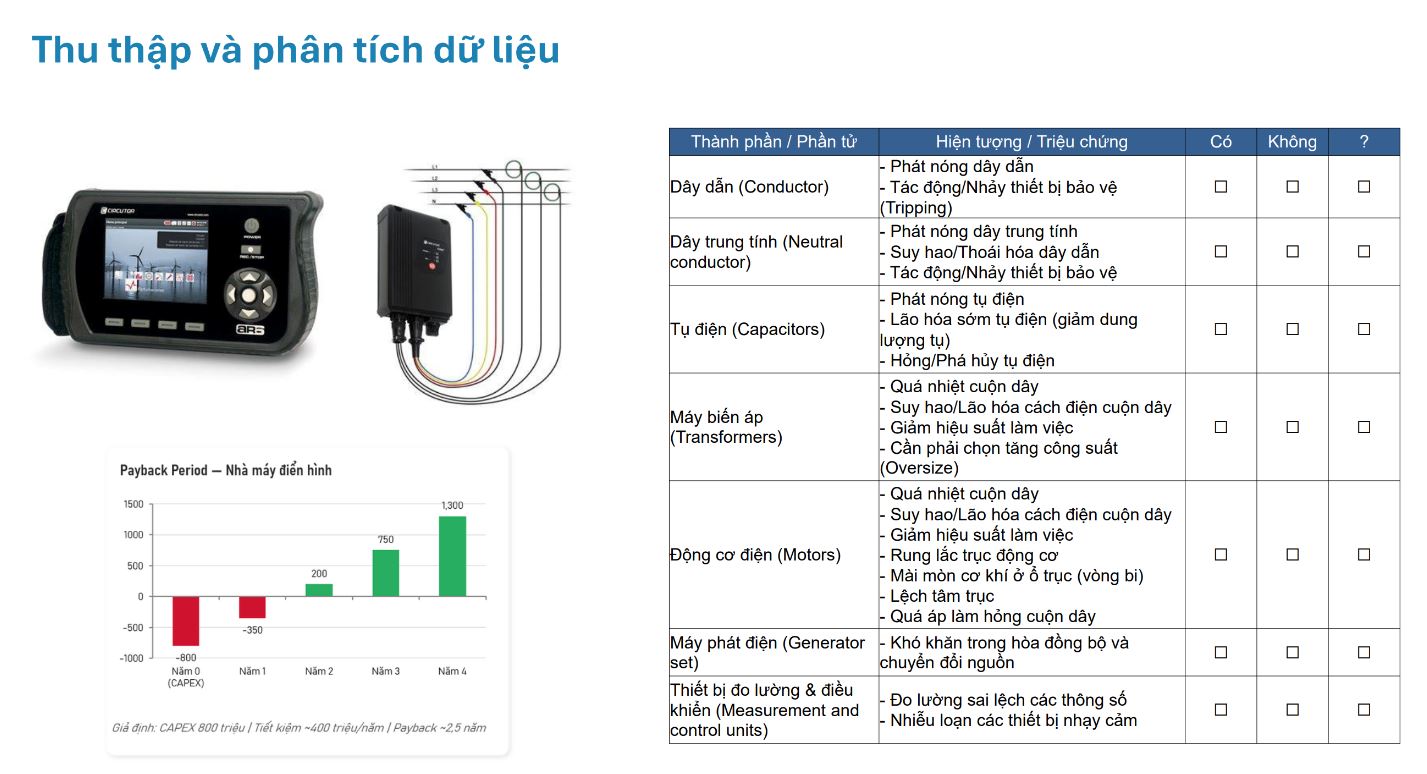
The right cause, the right solution
After collecting sufficient data and identifying the root cause, businesses can select the appropriate solution. Three key solution groups include:
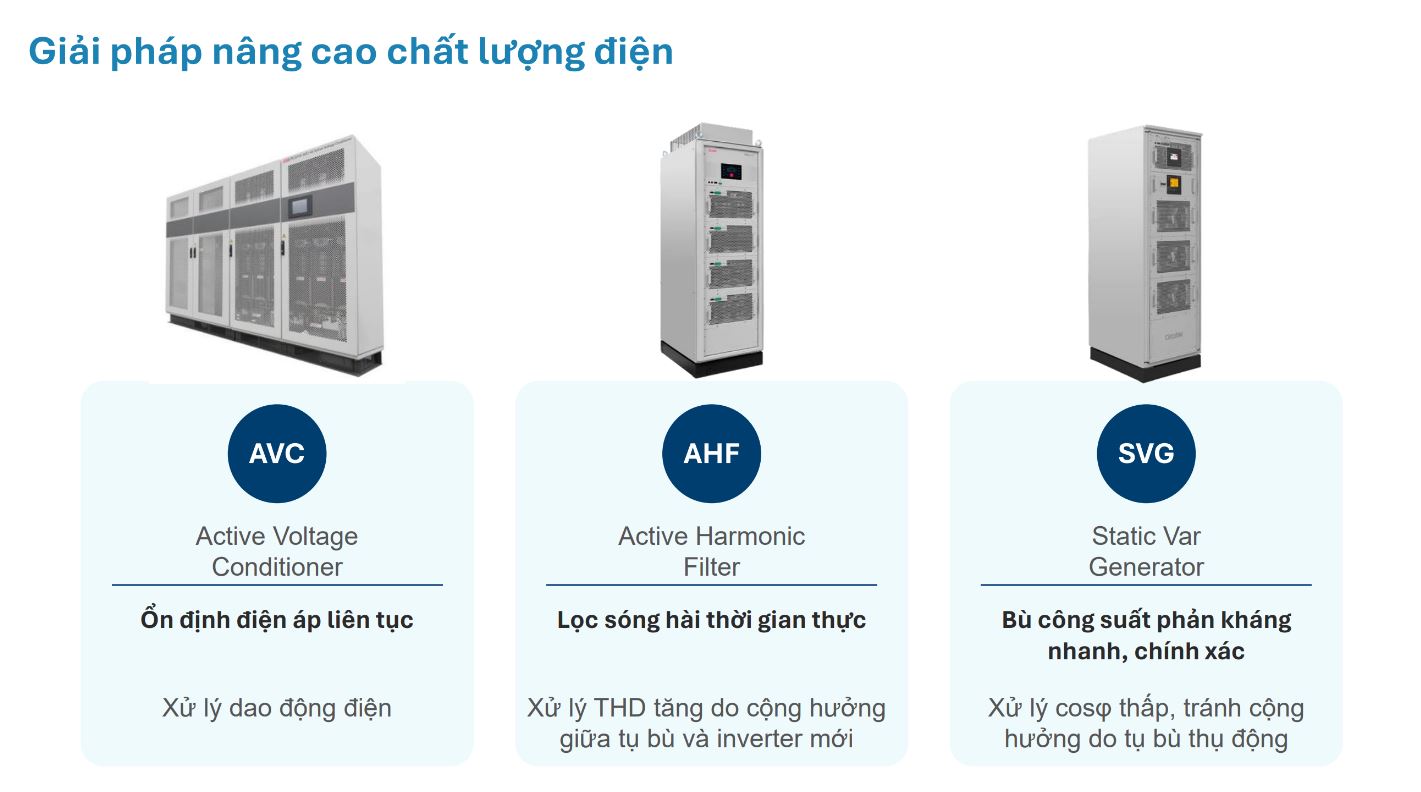
AVC: Continuously stabilizes voltage, addresses voltage fluctuations, and resolves issues such as voltage sags causing machine stoppages, PLC resets, or production line faults.
AHF: Provides real-time harmonic filtering, particularly suitable for addressing THD and resonance issues.
SVG: Provides fast and accurate reactive power compensation, helping address low power factor (cosφ).
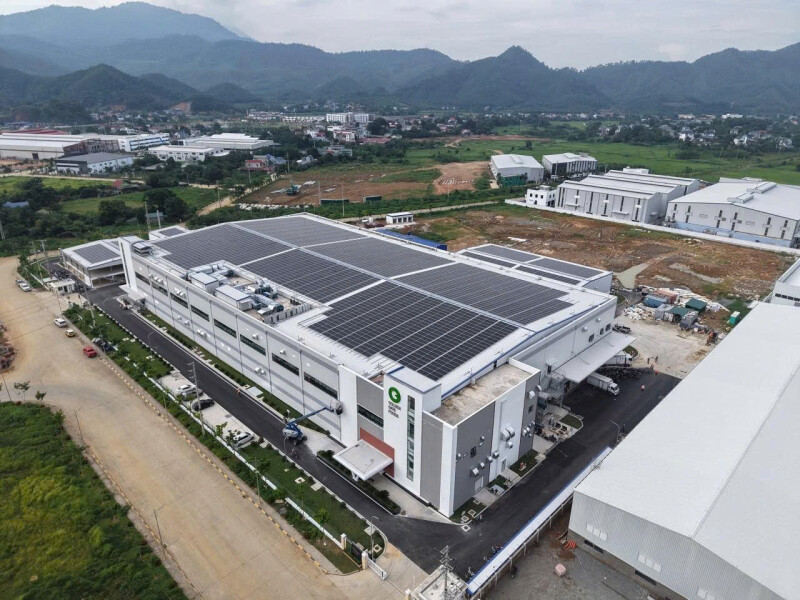
A real case at a cable manufacturing plant demonstrates the importance of the assessment stage. After installing rooftop solar, the plant detected overheating and vibration at the main switchboard busbar, accompanied by significant noise. Monitoring results showed that harmonics from the solar inverter were within standards, while the plant's background harmonic distortion was high due to nonlinear loads, creating a potential resonance risk when the power source configuration changed. The selected solution was an active harmonic filter to address the background harmonics generated by the loads.
Stabilize the power supply first, then optimize energy
Power quality is not merely a technical cost; it is the foundation of energy efficiency and digital transformation strategies. When the electrical system is stable, the factory can reduce downtime, maintain stable production, reduce maintenance, and create better conditions for subsequent energy solutions to deliver greater effectiveness in controlling Pmax. And once the foundation is solid, the next question is: What is the key solution that can directly and most effectively control Pmax?
![[WBN 03 - Part 03] EMS: Data-driven Pmax Control And Energy Management For Factories](/upload/tin-tuc/2025-ban-tin-doanh-nghiep/dien-2-thanh-phan/1785401074464-6914433568007851552-g8521094553282089876-93448f980574a926c283de0ecb35c37f-800x0.jpg)