

NSN at Vietnam Construction Forum 2026: Dual Transformation Must Begin with Execution Capabilities

On October 10, 2026, Mr. Nguyen Van Pha, Deputy General Director of NSN Construction & Engineering Joint Stock Company (NSN), participated in a panel discussion at Vietnam Construction Forum 2026, themed “Shaping the Future of the Construction Industry through Dual Transformation,” held at the National Convention Center in Hanoi.

Organized by the Vietnam Federation of Civil Engineering Associations and Nguoi Xay Dung Magazine, the forum brought together experts, representatives of relevant authorities, and business leaders to discuss the opportunities and challenges facing the construction industry amid the growing demands of digital and green transformation.
Dual Transformation: The Cost Challenge and Business Adaptability
As the construction industry faces increasing pressure to improve productivity, investment efficiency, and compliance with sustainability standards, dual transformation is no longer simply about adopting technology or meeting new environmental requirements. The more important question is how businesses can implement transformation effectively while ensuring that their efforts align with available resources and actual operating conditions.
During the panel discussion, drawing on his perspective as a contractor in industrial construction, Mr. Nguyen Van Pha shared insights into how digital and green transformation affect investment costs, construction management and execution, labor productivity, and construction costs.
According to Mr. Pha, the initial stages of transformation require businesses to make significant investments, not only in technology but also in infrastructure, equipment, tools, and human resources capable of adapting to new ways of working.
He emphasized:
“Digital and green transformation can be quite costly at the initial stage. However, businesses need to prepare carefully, particularly in terms of infrastructure, equipment, tools, and digital skills among their workforce. Only when these foundations are in place can transformation be effectively implemented.”
This reality highlights an important requirement for construction businesses: transformation must be built on solid foundations. For digital transformation, data and information are essential prerequisites for technology tools to deliver their intended value. If the infrastructure is not ready, data has not been standardized, or employees have not developed appropriate working practices, technology investments may fail to deliver the expected results.
People and Data Are the Foundation for Effective Technology Adoption
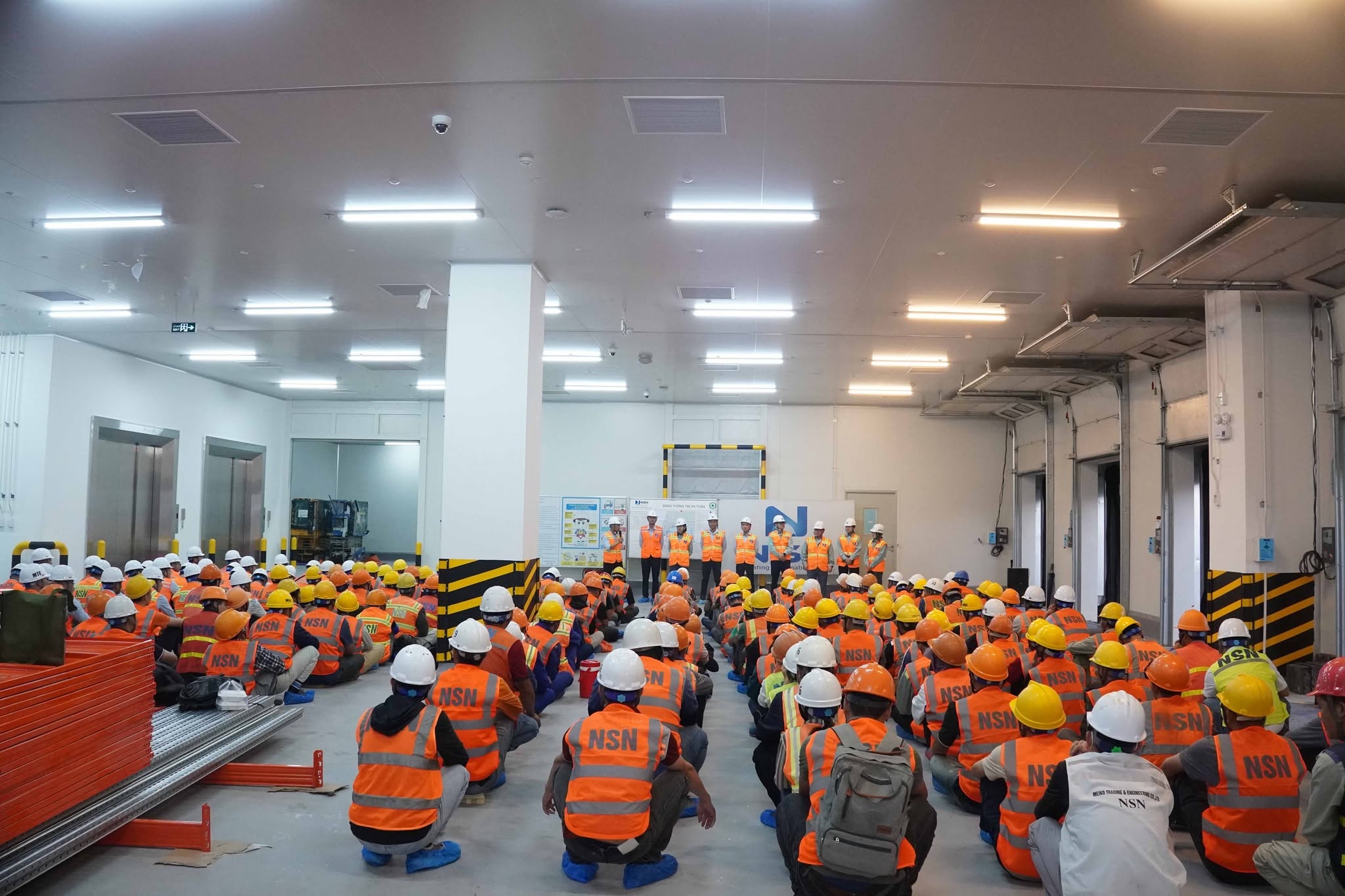
Another challenge highlighted by Mr. Nguyen Van Pha was the pressure on businesses to maintain their ongoing operations while simultaneously investing in and implementing transformation initiatives.
For construction contractors, this presents a challenge in resource allocation and execution management. Project sites must continue to meet schedule, quality, and safety requirements, while businesses also need to allocate time, funding, and personnel to revise processes and strengthen digital capabilities.
According to Mr. Pha, once businesses establish new working habits and drive changes in employee behavior and capabilities, tools such as AI and Building Information Modeling (BIM) can better support digital transformation, thereby improving productivity and operational efficiency.
This perspective demonstrates that technology cannot be separated from people and processes. The value of digital tools lies not only in their ability to process information but also in how businesses prepare data, organize work, and integrate technology into actual operations.
In the construction industry, where multiple departments and contractors work together on a single project, improving coordination, standardizing information, and strengthening technological capabilities are essential to progressively enhancing management effectiveness and construction execution.
From Transformation Strategies to Tangible Results on Construction Sites
Alongside the opportunities created by technology, the forum also addressed issues concerning cost norms, unit rates, technical standards, and access to financing for green solutions. These factors directly influence investment decisions and businesses' ability to implement transformation initiatives.
For dual transformation to deliver tangible results, businesses need to establish the right priorities, prepare appropriate foundations, and link technology adoption to specific operational objectives at the project level. Rather than evaluating transformation solely by the number of tools implemented, its effectiveness should be measured by improvements in productivity, cost control, construction quality, and schedule management.
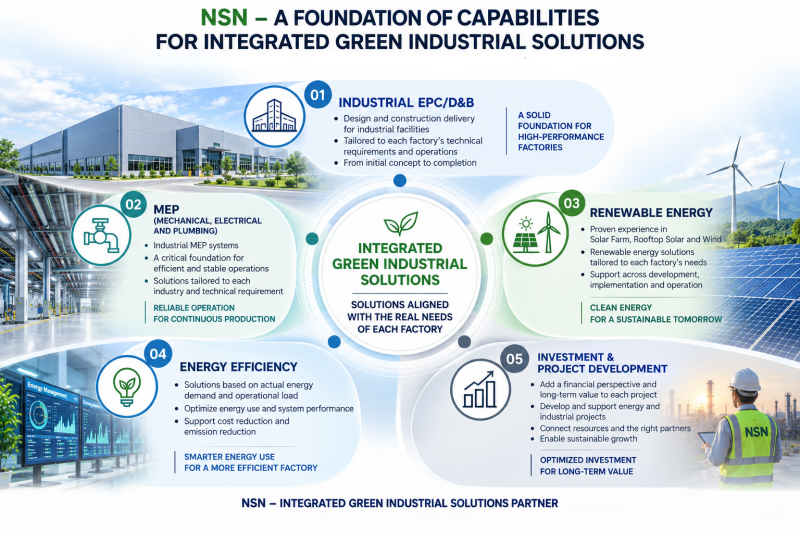
The issues discussed at the forum are also relevant to NSN's development direction in industrial construction, mechanical and electrical engineering (MEP), and renewable energy. Continued improvements in construction execution capabilities, stronger coordination, and the gradual integration of appropriate solutions will provide a foundation for NSN to better meet the increasingly demanding requirements of industrial clients.
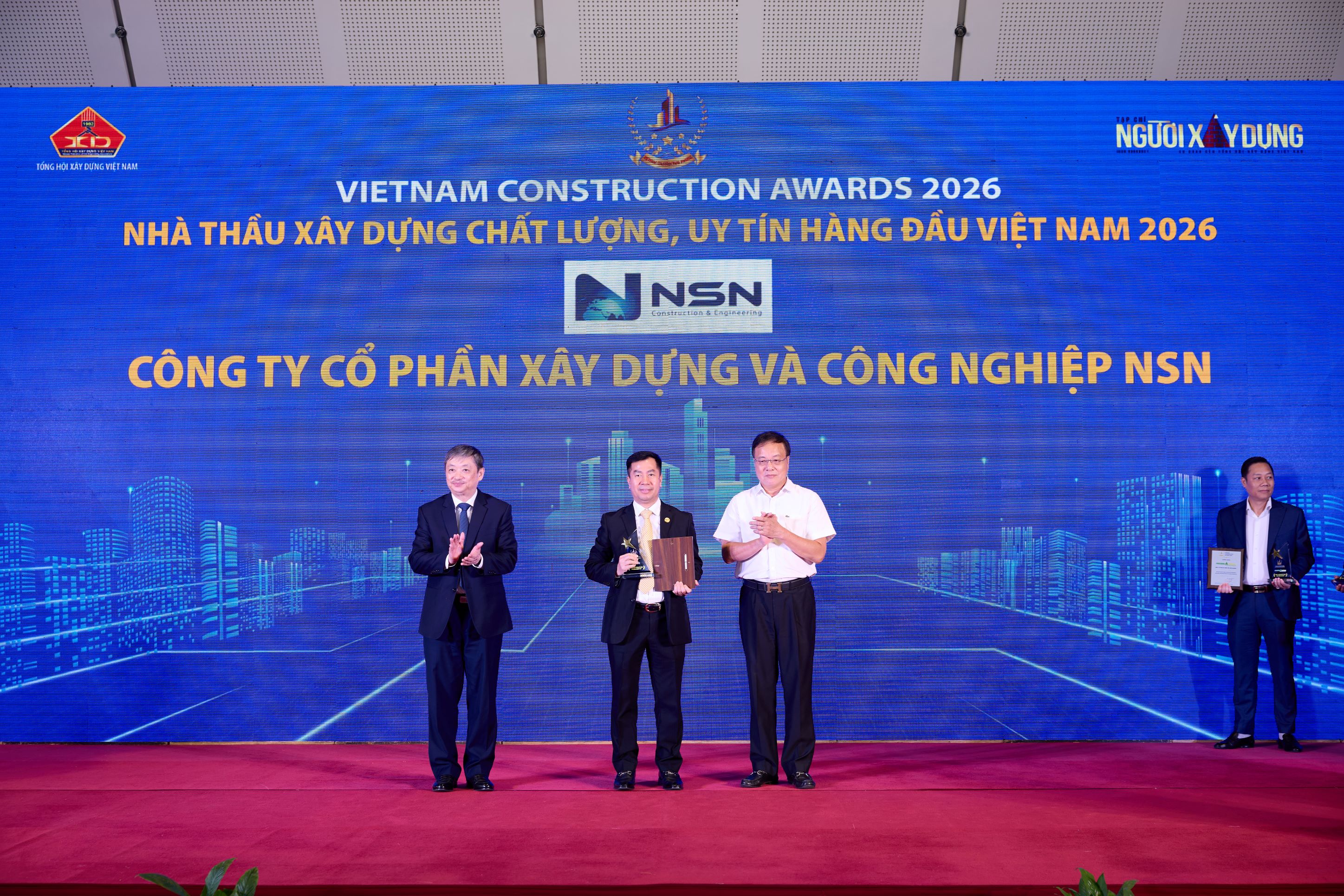
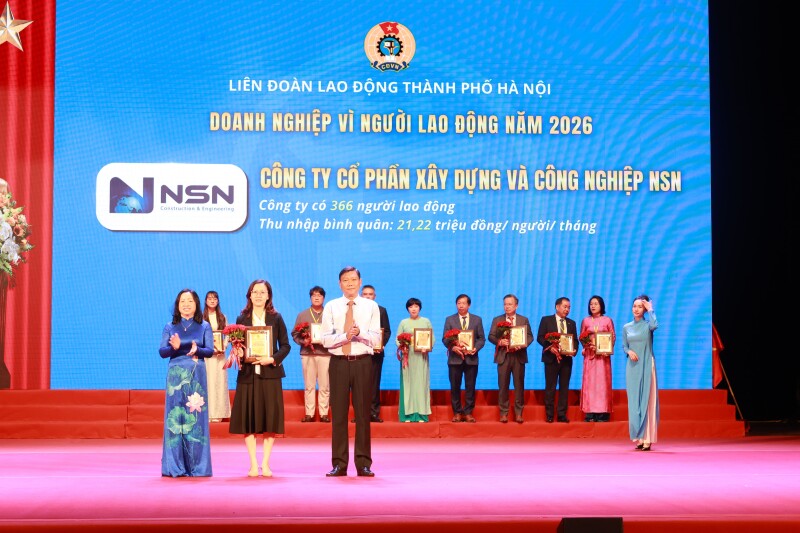
Also within the framework of Vietnam Construction Awards 2026, NSN was recognized in the category of “Vietnam's Leading Reputable and Quality Construction Contractor of 2026.” This recognition acknowledges the Company's development journey and serves as further motivation for NSN to continue strengthening its execution capabilities and upholding its commitments to clients and partners.
Related news