

Factory Energy Efficiency: From Standalone Solutions to Integration Systems

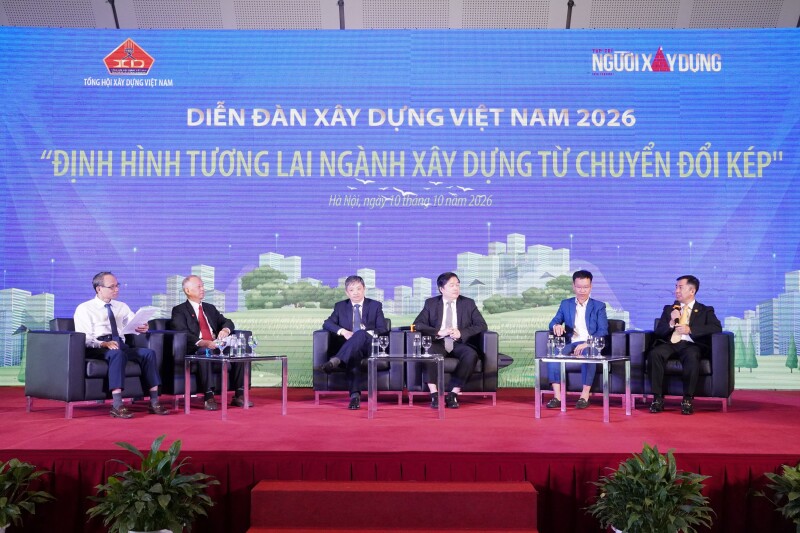
Energy efficiency is no longer a matter of voluntary initiatives. It has become a business imperative for companies seeking to control operating costs, improve operational performance and achieve sustainable growth. This was the message delivered by Mr. Ho Thong Minh, Deputy General Director of NSN Construction & Engineering JSC, during a technical session at HVACR Vietnam 2026. The presentation focused on practical measures that businesses can implement using their existing systems before progressing towards more advanced levels of energy management.
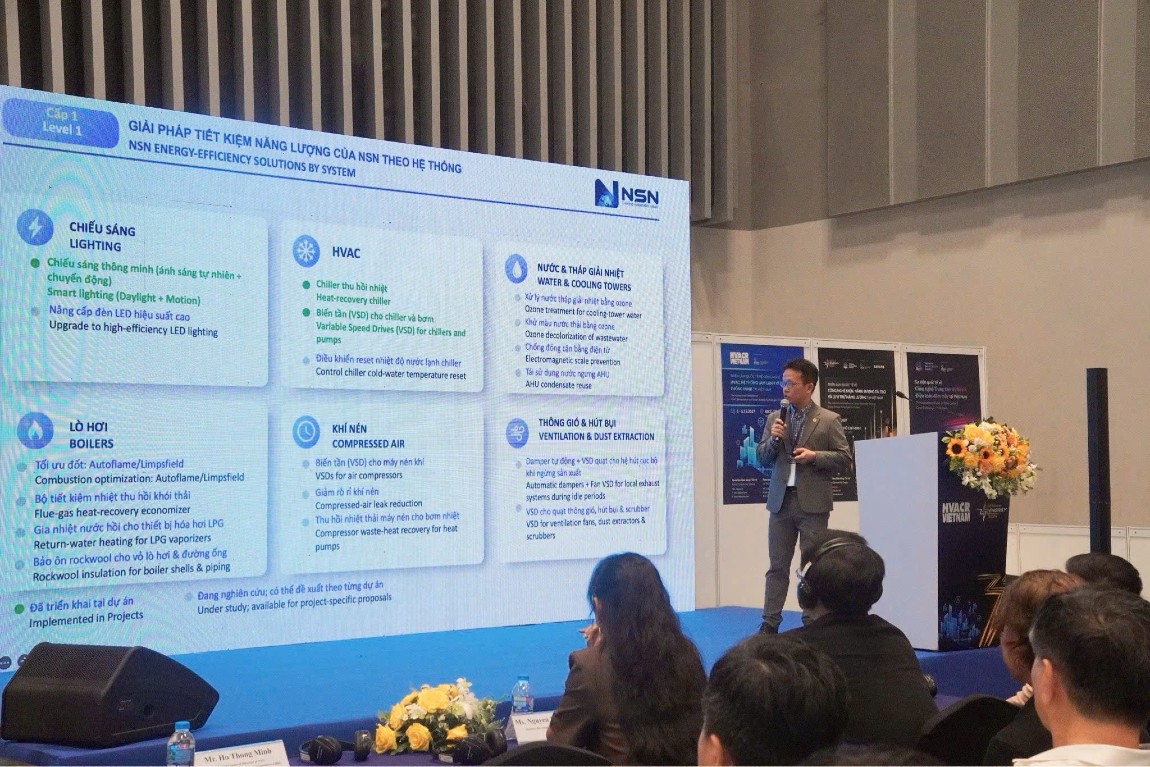
Mr. Ho Thong Minh, representing NSN, delivering his presentation at the event
Three Key Drivers for Businesses to Take Action
The first driver is cost. As the two-component electricity pricing mechanism is expected to be widely implemented after 2027, businesses will need to pay attention to both electricity consumption (kWh) and peak demand (Pmax). Consequently, factories with high Pmax but inadequate load management will face greater pressure on electricity costs.
The second driver is regulatory and environmental requirements. The amended Law on Economical and Efficient Use of Energy (2025) requires designated key energy-consuming facilities to develop energy plans and conduct periodic energy audits. At the same time, Vietnam's Net Zero 2050 commitment and growing ESG requirements from FDI customers are raising the standards that businesses must meet.
The third driver is unmeasured energy waste. NSN's on-site assessments indicate that 30–35% of lighting electricity consumption can be wasted when lights remain on despite sufficient natural daylight or when areas are unoccupied. Meanwhile, HVAC systems are typically among the largest electricity-consuming systems in industrial facilities.
Four Levels of Energy Optimization for Businesses
Level 1 – Individual System Optimization: Identify and address energy inefficiencies across individual systems within the factory.
Level 2 – Energy Supply Optimization: Combine solar power and Battery Energy Storage Systems (BESS) to reduce electricity purchased from the grid, enhance energy autonomy and manage peak demand (Pmax).
Level 3 – Data-Driven Energy Management: Deploy an Energy Management System (EMS) to measure, monitor, analyze and optimize energy performance.
Level 4 – Integrated Solutions: Develop a tailored roadmap based on each business's existing conditions, operational requirements and investment objectives.
However, not every factory needs to implement all four levels. Identifying the right challenges and selecting solutions with a clear return on investment (ROI) are essential to determining the most suitable roadmap.
Level 1: Individual System Optimization
At the first level, NSN focuses on six common systems in industrial facilities: lighting, HVAC, water supply and cooling towers, boilers, compressed air and ventilation. Several of these solutions have already been implemented by NSN at operating facilities.
With Smart Lighting, the lighting system automatically adjusts according to natural light levels and occupancy. It can be controlled wirelessly and monitored remotely via the Cloud. According to NSN's simulation, the solution can reduce daytime lighting electricity consumption by 50–70%, depending on weather conditions, and by approximately 20% in the late afternoon. At the technical warehouse of a food manufacturing plant in Dong Nai Province, the system has been in operation since September 2025, achieving approximately 89% savings in lighting electricity consumption.
Another solution is heat recovery using chillers. Instead of rejecting heat through cooling towers while relying on a separate energy source to produce hot water, a 2-in-1 heat pump chiller can simultaneously supply chilled water and hot water. At a Japanese-owned electronics PCB manufacturing plant in Phu Tho Province, this solution reduced the total electrical demand of the system by 28% (from 1,512 kW to 1,088 kW) while simultaneously supplying cooling and heating.
At the same facility, NSN also implemented Variable Speed Drives (VSDs) for the chiller and chilled water pump systems. Pump speed is adjusted according to actual demand rather than operating continuously at 100% capacity, resulting in a 22% reduction in pump electricity consumption. The typical payback period for this solution ranges from 2 to 5 years, depending on system scale and operating hours.
Level 2: Energy Supply Optimization
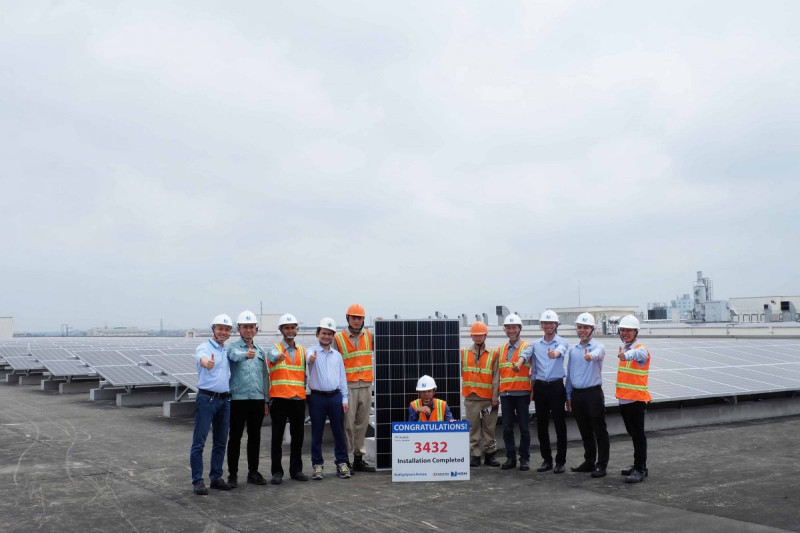
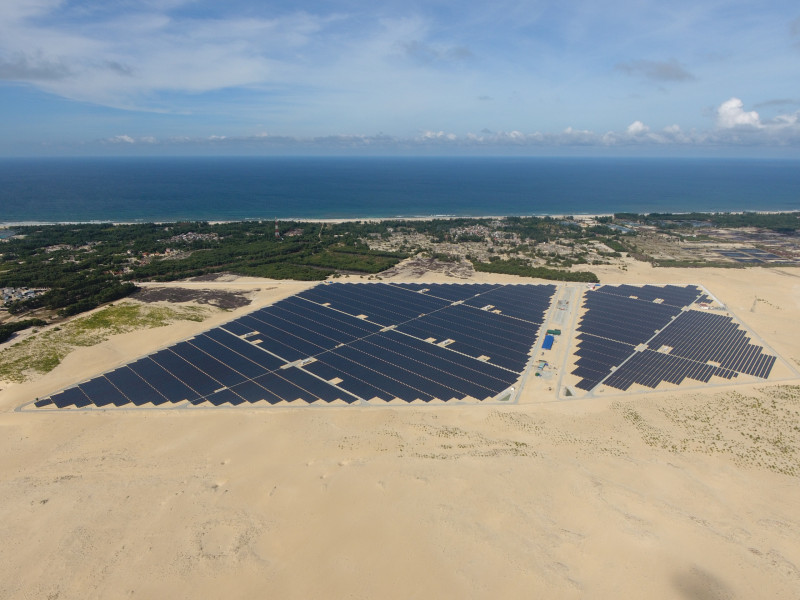
Once energy-consuming systems have been optimized, businesses can move to Level 2 by integrating solar power and BESS. This model helps reduce electricity purchases from the grid, enhance energy autonomy and support peak demand management (Pmax). Depending on their capital availability and financial objectives, businesses can choose between EPC and PPA arrangements.
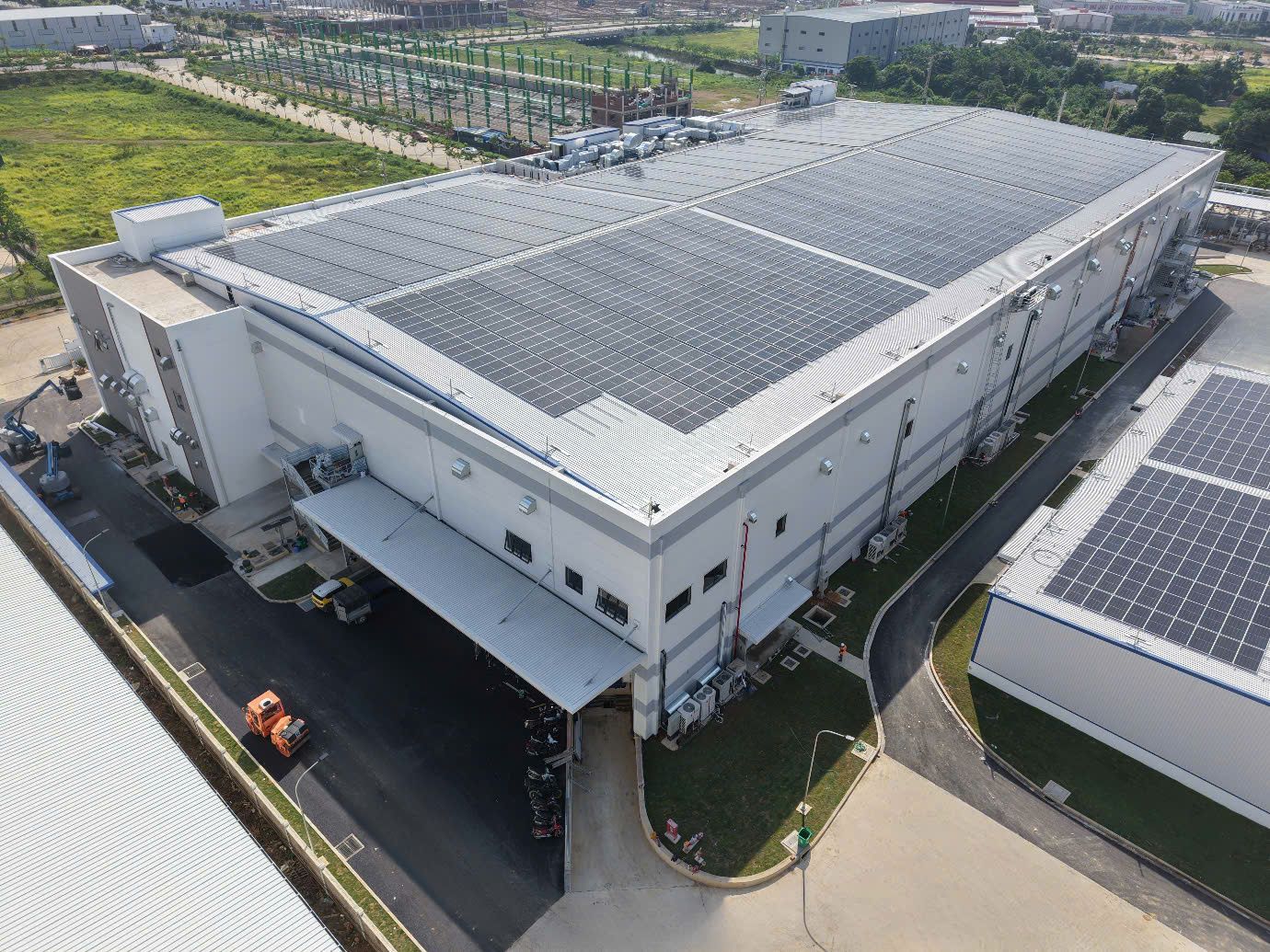
Rooftop solar power project at a food manufacturing plant in Phu Tho Province, implemented by NSN
Level 3: Moving from “Saving Energy” to “Knowing How Much Energy Is Being Saved”
At Level 3, an Energy Management System (EMS) serves as the link between individual energy-saving measures and comprehensive energy management. Through a continuous cycle of measurement, monitoring, analysis, and optimization, businesses can identify which equipment contributes to peak demand (Pmax) and when these peaks occur. They can also evaluate the actual performance of implemented solutions. This enables businesses to take a more proactive approach to managing electricity costs under the two-component electricity pricing mechanism.
Level 4: A Tailored Integrated Roadmap for Every Factory
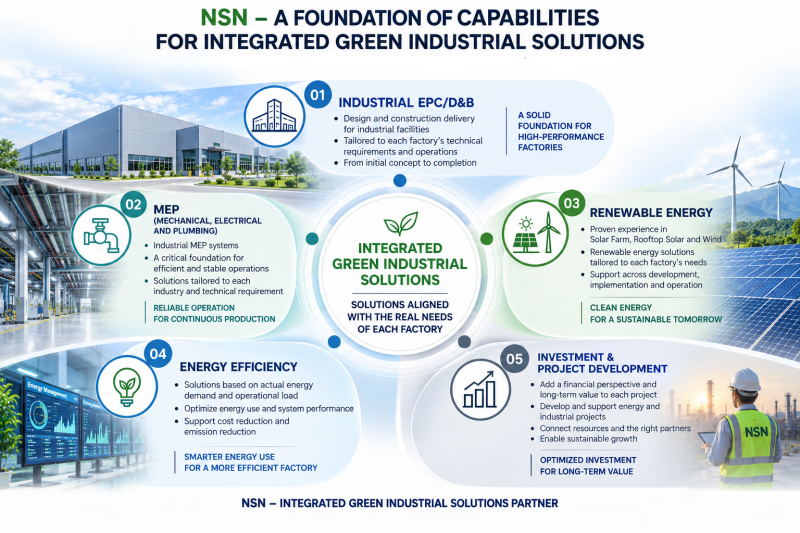
Drawing on 23 years of experience in industrial construction and nearly 10 years in renewable energy, NSN believes that businesses should begin by identifying their specific energy challenges through site assessments and measurements. They can then select solutions with clearly defined payback potential and develop a phased implementation roadmap. Ultimately, an energy solution only delivers real value when it operates reliably, integrates effectively with existing infrastructure, and generates measurable economic benefits over the long term.
Related news